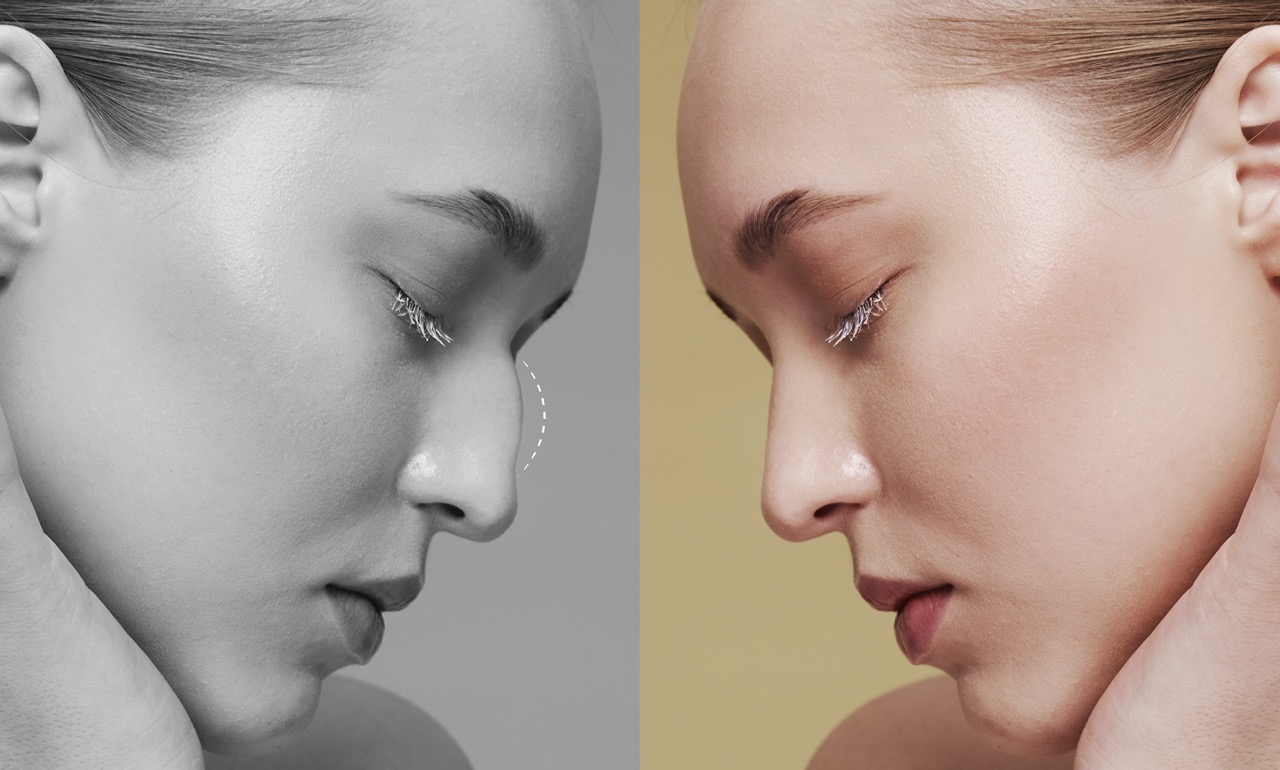
If rhinoplasty is something you have been thinking about for a while, you are not alone. Nose surgery is one of the most frequently performed facial procedures worldwide. For many patients, it is not only about appearance, but also about breathing better and feeling more confident.
For people living abroad, the decision can feel more complex. Questions about safety, recovery, results, and planning often come up. This guide is written to answer those questions clearly and honestly.
What Exactly Is Rhinoplasty?
Rhinoplasty is a surgical procedure that reshapes the structure of the nose. Depending on the patient, it can be done for aesthetic reasons, functional reasons, or both.
In practice, rhinoplasty usually falls into one of these categories:
- Aesthetic rhinoplasty, focused on improving the shape and balance of the nose
- Functional rhinoplasty, aimed at correcting breathing problems such as a deviated septum
- Revision rhinoplasty, performed when a previous surgery did not deliver the expected result
Most patients actually need a combination of aesthetic and functional improvement.
Who Is a Good Candidate for Rhinoplasty?
Rhinoplasty works best when the timing and expectations are right.
You may be a suitable candidate if:
- Your facial growth is complete (usually after 17–18 years of age)
- You have concerns about the shape or function of your nose
- You are in good overall health
- You understand that improvement does not mean perfection
It may not be the right time if:
- Facial development is still ongoing
- Expectations are unrealistic or heavily influenced by edited photos
- There are untreated medical conditions that require attention first
A proper medical evaluation is always essential.
What Problems Can Rhinoplasty Correct?
Rhinoplasty is far more than simply “making the nose smaller.” It can address many structural concerns, including:
- A visible nasal hump
- Drooping or wide nasal tip
- Asymmetry
- A wide nasal bridge
- Breathing difficulties caused by septal deviation
- Deformities related to trauma or congenital conditions
Each nose is evaluated individually. There is no standard formula.
What Types of Nose Shapes Are Possible?
Modern rhinoplasty focuses on harmony rather than trends. The goal is a nose that fits the face naturally.
Common approaches include:
- Natural-looking noses, where surgery is not obvious
- Feminine noses, with softer lines and refined tips
- Masculine noses, with straighter and stronger contours
- Straight profiles, without a dorsal hump
- Slightly upturned noses, only when facial proportions allow
The final shape depends on facial structure, skin thickness, and anatomy.
The Importance of the Pre-Surgery Evaluation
A successful rhinoplasty starts long before the operation itself.
During the consultation, surgeons typically:
- Analyze facial proportions
- Evaluate nasal airflow and internal structures
- Review medical history
- Discuss realistic outcomes
- In some cases, use 3D imaging to explain possible results
This step is critical. Clear communication here prevents disappointment later.
How Is Rhinoplasty Performed?
Rhinoplasty is usually performed under general anesthesia and takes between two and four hours.
There are two main techniques:
- Open rhinoplasty, which involves a small incision at the base of the nose and allows full visibility
- Closed rhinoplasty, where all incisions are inside the nose
The choice depends on the complexity of the case and the surgical plan.
Recovery: What Does the Healing Process Look Like?
Recovery from rhinoplasty happens gradually.
Most patients experience:
- First week: nasal splint, swelling, bruising
- After 2–4 weeks: return to normal daily routines
- 3–6 months: most swelling subsides
- Up to 12 months: final shape becomes fully visible
Swelling at the nasal tip often takes the longest to resolve.
Post-Operative Care: What Really Matters
Following post-operative instructions plays a major role in the final result.
Key points include:
- Avoiding strenuous activities early on
- Protecting the nose from impact
- Delaying the use of glasses if advised
- Following nasal care instructions carefully
Ignoring these guidelines can affect healing.
Setting the Right Expectations
Rhinoplasty does not change who you are. It improves balance and proportion.
Patients should expect:
- Gradual improvement over time
- A nose that fits the face naturally
- Minor asymmetries can still exist
- Revision surgery is possible, but not common when planning is done well
Social media images are not a realistic benchmark.
Risks and Possible Complications
Like any surgery, rhinoplasty carries risks:
- Infection
- Asymmetry
- Breathing issues
- Need for revision surgery
These risks are reduced with proper evaluation, surgical expertise, and patient compliance.
Recognized International Authorities in Rhinoplasty
Global standards in rhinoplasty and facial plastic surgery are shaped by organizations such as:
- International Society of Aesthetic Plastic Surgery
- American Society of Plastic Surgeons
- European Association of Facial Plastic Surgery
Their guidelines and publications form the basis of modern surgical practice.
Why Many International Patients Choose Turkey
Patients traveling to Turkey for rhinoplasty often cite:
- Experienced surgeons
- Modern medical facilities
- Short waiting times
- Structured treatment planning
- Comprehensive patient coordination
Call to Action
If you are seriously considering rhinoplasty and want clear answers tailored to your situation:
Sante Privee provides full coordination for international patients, including:
- Surgeon matching based on your needs
- Personalized treatment planning
- Accommodation and transfers
- Ongoing multilingual patient support
 Request your personalized rhinoplasty assessment
Contact Sante Privee to receive a clear and transparent treatment plan
Medical References:
- International Society of Aesthetic Plastic Surgery (ISAPS)
- American Society of Plastic Surgeons (ASPS)
- European Association of Facial Plastic Surgery (EAFPS)
- Peer-reviewed journals in facial plastic and reconstructive surgery